What a WOF Inspection Really Checks (and Why Cars Fail in New Zealand)
What a WOF Inspection Really Checks
A Warrant of Fitness (WOF) inspection isn’t about judging how tidy your car looks — it’s a legal safety check to make sure your vehicle is safe to drive on New Zealand roads.
A valid WOF confirms your vehicle meets minimum road-safety standards set by NZ transport regulations, and it’s illegal to drive without one unless you’re going directly to a repair or retest.
So what actually gets checked? And why do vehicles fail?
Let’s break it down.
What a WOF Inspection Checks
A WOF focuses on safety, not mechanical perfection or engine performance. Inspectors check whether the vehicle is roadworthy right now.
Key areas include:
1. Tyres and Wheels
Tyres must have enough tread, be free from damage, and be the correct type for the vehicle.
Bald tyres, uneven wear, or visible cords are common failure points.
2. Brakes
Your braking system must work properly and stop the vehicle safely.
Weak braking, worn pads, or leaking brake components can all cause a failure.
3. Steering and Suspension
Inspectors check that the steering responds correctly and suspension components are secure.
Loose joints, worn bushes, or excessive play often lead to failure.
4. Lights and Electrical Safety
All lights must function — headlights, brake lights, indicators, and number-plate lights.
Even a blown bulb can mean a failed WOF.
5. Windscreen, Mirrors, and Visibility
Cracks in the windscreen, faulty wipers, or missing mirrors can fail a vehicle because they affect driver visibility.
6. Seatbelts and Safety Equipment
Seatbelts must work properly and not be damaged.
If airbags are fitted, they must not show warning faults.
7. Structure and Body Condition
Inspectors check for rust or damage that could affect structural strength or crash safety.
8. Exhaust, Fuel System, and Emissions
The exhaust must be secure and not excessively smoky or leaking fumes.
These checks are designed to ensure tyres, brakes, lights, steering, structure, and other safety-critical components meet minimum standards before the vehicle is driven on public roads.
The Most Common Reasons Cars Fail a WOF
From experience, the biggest causes of failure are usually small and preventable:
• Worn tyres
• Blown bulbs
• Brake wear
• Suspension play
• Windscreen damage
• Fluid leaks
Many of these issues develop slowly, which is why regular servicing helps avoid surprise failures.
What Happens If Your Vehicle Fails?
If your vehicle fails its WOF, you’ll receive a list of the issues that need fixing.
Once repaired, you can usually return for a free recheck within a set timeframe at the same testing provider.
The important thing to remember is that a failed WOF isn’t a punishment — it’s simply a safety alert.
How to Avoid Failing Your Next WOF
The easiest way to pass your WOF first time is simple:
✔ Service your vehicle regularly
✔ Check lights and tyres before inspection
✔ Fix small issues early
✔ Don’t ignore warning signs
A little maintenance goes a long way.
Is your WOF due soon?
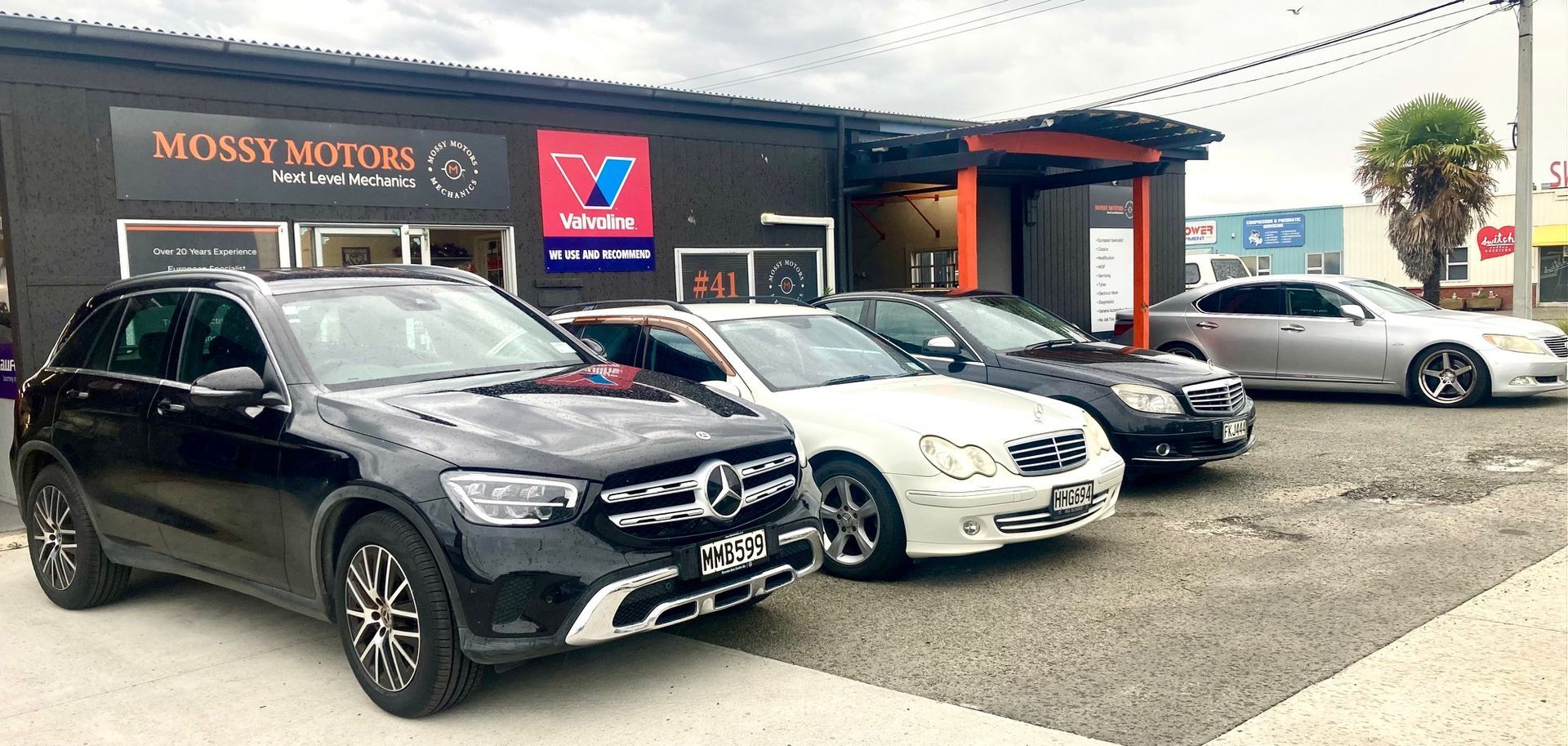
Mossy Motors in Napier can inspect your vehicle and explain any issues clearly before repairs begin.
Contact our friendly team and find out why so many Hawke's Bay drivers trust Mossy Motors.